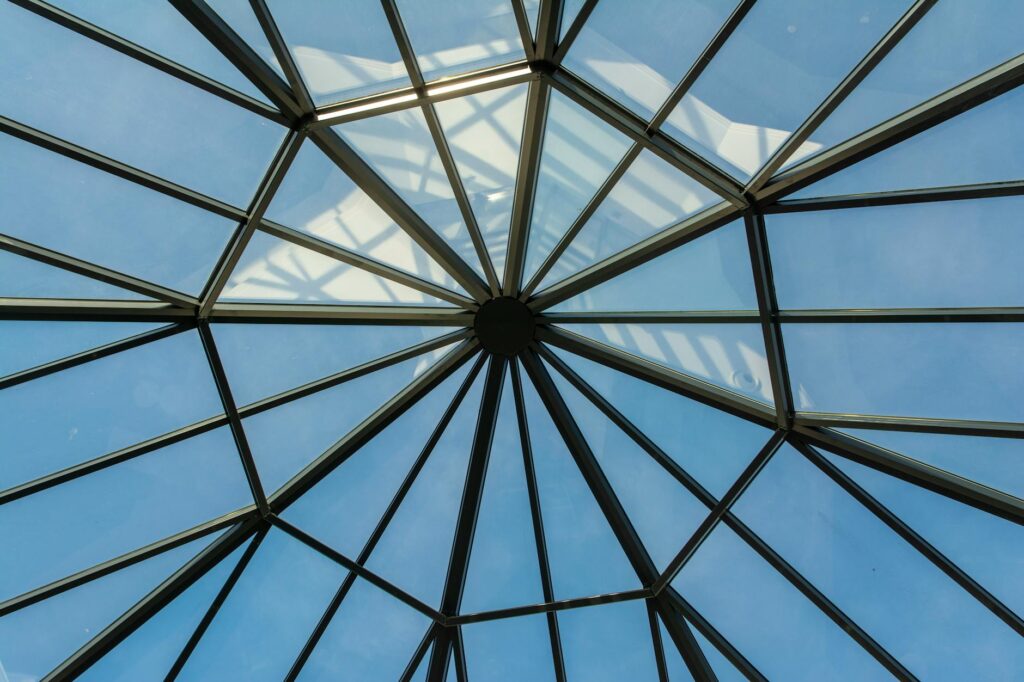
Energy-Efficient Metal Roof Light Panels: Benefits, Installation & Cost Guide
Energy-efficient metal roof light panels are rapidly gaining popularity in residential, commercial, and industrial buildings. Designed to blend seamlessly with metal roofs, these panels not only enhance natural lighting but also contribute significantly to energy savings. In this article, we explore the benefits of energy-efficient metal roof light panels, delve into the installation process, and provide a detailed cost guide to help you make an informed decision.
What Are Energy-Efficient Metal Roof Light Panels?
Energy-efficient metal roof light panels are specialized translucent or transparent panels integrated into metal roofing systems. They allow natural daylight to enter the building, reducing the need for artificial lighting during daytime hours. These panels are crafted from durable materials such as polycarbonate or fiberglass reinforced plastic, designed to withstand harsh weather conditions while providing excellent light transmission.
Benefits of Energy-Efficient Metal Roof Light Panels
1. Significant Energy Savings
One of the most notable benefits of metal roof light panels is their ability to reduce energy consumption. By harnessing natural sunlight, these panels minimize the reliance on electric lighting during the day. This not only cuts down on utility bills but also reduces the carbon footprint of the building.
2. Enhanced Indoor Lighting Quality
Natural light is superior to artificial lighting when it comes to brightness and ambiance. Metal roof light panels provide consistent daylight, which can improve occupant comfort, reduce eye strain, and create a more inviting environment.
3. Durability and Weather Resistance
Metal roofing is known for its durability, and these light panels are designed to match that versatility. High-quality panels resist UV radiation, impact, and moisture, ensuring long-term performance without yellowing or becoming brittle.
4. Easy Integration with Existing Roofs
Energy-efficient roof light panels can be installed during new construction or retrofitted on existing metal roofs. Their design allows for a seamless fit, maintaining the roof’s structural integrity and aesthetic appeal.
5. Environmental Impact and Sustainability
Using natural light reduces electricity demand and lowers greenhouse gas emissions associated with power generation. Additionally, many light panels are recyclable and made from sustainable materials, contributing to greener building practices.
Installation of Energy-Efficient Metal Roof Light Panels
Installing metal roof light panels involves careful planning and precise execution to maximize efficiency and ensure longevity.
Step 1: Assess Roof Compatibility
Before installation, confirm that your existing roof or new build can accommodate light panels. Consider roof pitch, structural support, and weatherproofing requirements.
Step 2: Select Appropriate Panels
Choose panels that offer the best combination of light transmission and insulation properties. Polycarbonate panels are popular for their high durability, while fiberglass panels offer a more budget-friendly option.
Step 3: Prepare the Roof Surface
Identify and measure the sections where panels will be installed. Remove metal roofing sheets if retrofitting to allow for proper panel fitting.
Step 4: Install Panels with Proper Sealing
Position the panels carefully between metal sheets, ensuring edges align correctly for waterproofing. Use high-quality flashing and sealants to prevent leaks. Proper fastening is crucial to secure panels against wind uplift.
Step 5: Inspect and Test
After installation, inspect the panels to verify secure attachment and correct sealing. Test for leaks during rain or by spraying water to ensure the integrity of the installation.
Cost Guide for Energy-Efficient Metal Roof Light Panels
The cost to install energy-efficient metal roof light panels varies depending on several factors including material type, panel size, roof complexity, and labor rates. Here’s a general breakdown:
– Panels: Polycarbonate panels typically range from $10 to $25 per square foot, while fiberglass options come at approximately $8 to $15 per square foot.
– Labor: Installation costs generally run between $3 and $7 per square foot. Complex roof designs or retrofit projects may increase labor expenses.
– Additional Materials: Sealants, flashing, fasteners, and other installation accessories can add $1 to $3 per square foot to the total cost.
In total, expect to pay between $12 and $35 per square foot for a professional installation of metal roof light panels.
Long-Term Savings and Return on Investment
Though the upfront cost may seem significant, the energy savings often justify the investment within a few years. Reduced electricity bills coupled with improved occupant comfort create both financial and qualitative returns. Furthermore, in commercial applications, better-lit environments can increase productivity and reduce absenteeism.
Conclusion
Energy-efficient metal roof light panels present a practical, sustainable solution for improving natural lighting and reducing energy consumption in metal-roofed buildings. Their advantages in durability, ease of installation, and environmental impact make them a worthwhile consideration for anyone looking to optimize their roofing system. By understanding the installation steps and cost implications, property owners can confidently upgrade their roofs with these innovative light panels and enjoy the benefits for years to come.